 iVIGA Faucet Online Shop

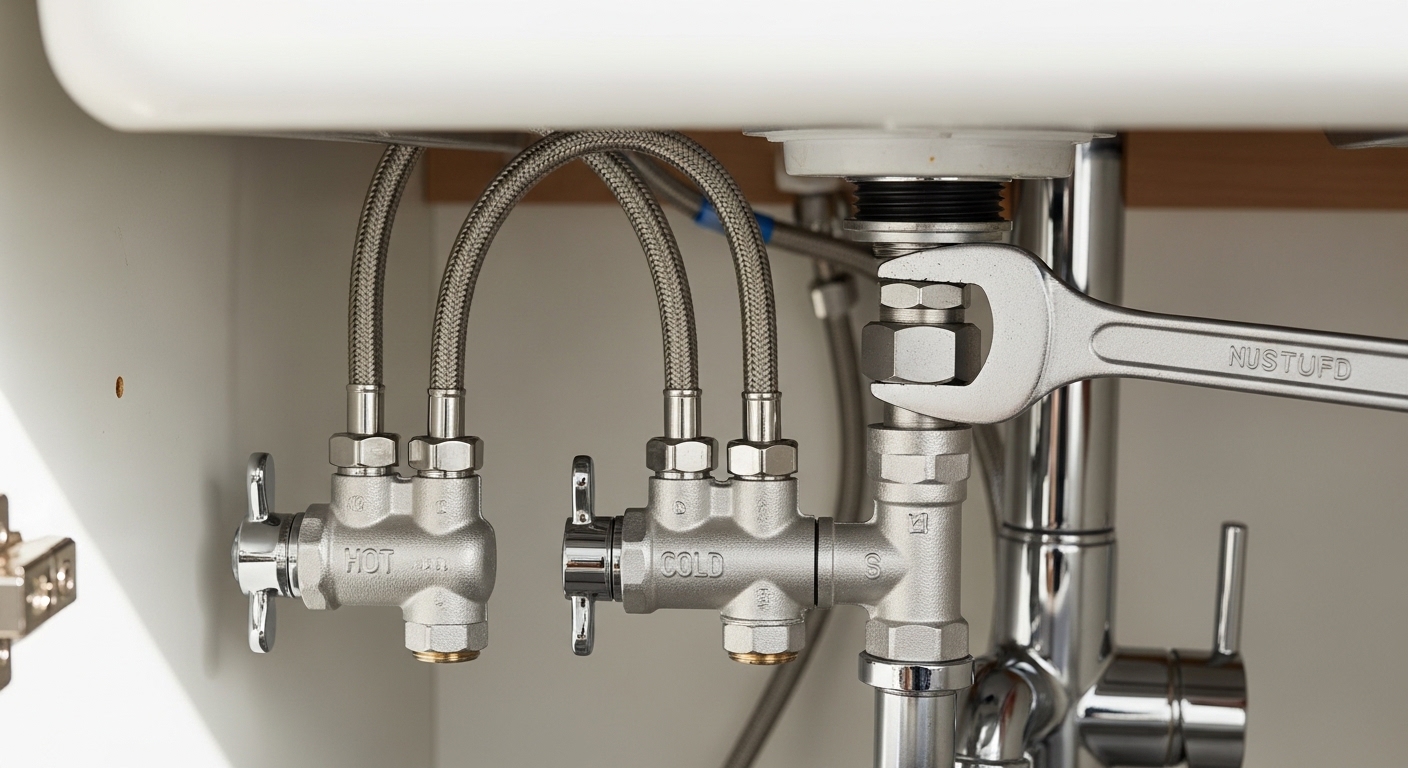
Learning how to remove your old faucet is the single most intimidating part of any faucet swap — but it’s almost always easier than people expect. Ninety percent of the difficulty isn’t the faucet itself; it’s the corroded mounting nuts hidden in the dark, cramped space behind the sink basin. Get the right tool for those nuts and the rest is just disconnecting two water lines. This guide walks you through every step, the exact tools you need, the things that go wrong, and how to know whether you can DIY it or should stop and call someone.
At ivigafaucet, we ship and service thousands of kitchen and bathroom faucets a year, and “removal” is the support question we field most. So below is the real, plumber-grade process — explained like a friend who’s done it 50 times is standing next to you.
What tools do I actually need to remove a faucet?
You need a basin wrench, an adjustable wrench, a bucket, a towel, and penetrating oil — that’s the core kit, and it costs around $25 if you don’t already own it. The single most important tool is the basin wrench, a long-handled tool with a spring-loaded pivoting jaw made specifically to reach the mounting nuts buried high up behind the sink where a normal wrench physically cannot fit.
Here’s the full list, with why each one matters:
- Basin wrench ($12–18) — reaches and grips the mounting nuts that hold the faucet to the sink deck. Non-negotiable for almost every faucet.
- Adjustable wrench or channel-lock pliers — loosens the supply-line nuts and the bucket-side compression fittings.
- Bucket + old towels — there is always trapped water left in the lines, even after you shut the valves.
- Penetrating oil (WD-40, PB Blaster) — frees corroded or seized nuts. Spray it 10–15 minutes before you start turning.
- Flashlight or headlamp — a headlamp keeps both hands free under the sink. Genuinely a game-changer.
- Putty knife or plastic scraper — breaks the old caulk or plumber’s putty seal once the nuts are off.
If your mounting nuts are plastic (common on faucets made in the last 10 years), you may not even need the basin wrench — many newer models, including a lot of modern quick-install kitchen faucets, use wing nuts you can loosen by hand. Check before you buy tools.
How do I shut off the water before removing the faucet?
Look directly under the sink for two small oval or football-shaped valves — one for hot, one for cold — and turn each clockwise until it stops. These are your shut-off valves (also called angle stops). Once both are closed, turn the faucet handle to “on” and let the remaining water drain out until it stops dribbling; this releases pressure and confirms the valves actually sealed.
Two things go wrong here, and you need to know both before you start:
- The valve won’t fully close, or there are no shut-off valves at all. In older homes, the under-sink valves may be seized open or simply absent. If turning the valve doesn’t stop the drip when you open the faucet, shut off your home’s main water supply instead (usually near the water meter or where the main line enters the house).
- The valve leaks when you touch it. Old valves sometimes weep around the stem once you move them after years of sitting. Keep your bucket and towel ready — and if it won’t stop, this is a sign to budget for replacing the shut-off valves while you’re in there.
Never skip the “open the faucet to release pressure” step. Skipping it is the #1 cause of getting sprayed in the face when you crack the supply line loose.
How do I disconnect the supply lines and mounting nuts?
Disconnect the supply lines first by unscrewing the connector nut where each braided line meets the shut-off valve — turn counterclockwise with an adjustable wrench, holding the valve body steady so you don’t twist it. Then go up behind the basin and loosen the mounting nuts that clamp the faucet to the sink deck using your basin wrench, also counterclockwise. Once both supply lines and both mounting nuts are off, the faucet lifts straight up and out.
The order matters: supply lines off first, mounting nuts second. If you remove the mounting nuts first, the faucet spins freely and you’ll fight the supply lines twisting around. Step by step:
- Place your bucket directly under the connection point — trapped water will spill the moment you break the seal.
- Loosen the supply-line nut at the valve. If it’s corroded solid, spray penetrating oil, wait 15 minutes, and try again before forcing it.
- If your supply lines are old and stiff, just remove them entirely — you should replace braided supply lines with new ones during any faucet swap anyway (they’re $6 each and the #1 cause of slow hidden leaks).
- Slide the basin wrench up to the mounting nut. The spring-loaded jaw grabs and the long handle gives you leverage in the dark space.
- Once nuts are off, scrape away the old putty/caulk seal and lift the faucet out. Expect dried gunk and maybe a little mineral crust.
If you find old hardened plumber’s putty or limescale welding the base to the deck, a putty knife and gentle rocking break it free. Don’t pry hard against a porcelain or composite sink — you can chip it.
What’s the difference between removing a kitchen vs. bathroom faucet?
The process is identical for both — shut off water, disconnect supply lines, remove mounting nuts, lift out — but bathroom faucets add one extra step: the pop-up drain linkage behind the sink that controls the stopper. Kitchen faucets often add a separate sprayer hose and sometimes a soap dispenser to disconnect, but no drain linkage.
Here’s a clear side-by-side so you know what extra parts you’re dealing with before you crawl under there:
| Step | Kitchen Faucet | Bathroom Faucet |
|---|---|---|
| Shut-off valves | 2 (hot + cold) | 2 (hot + cold) |
| Supply lines | 2, sometimes pre-attached to faucet | 2, usually separate |
| Extra hose | Pull-down sprayer hose / side sprayer | None |
| Drain linkage | None | Pop-up rod + clevis strap to disconnect |
| Mounting nuts | 1–3 depending on holes | 2 (or center-set unit with 1 base) |
| Typical time | 30–45 min | 20–35 min |
For a bathroom faucet, before you can lift the unit out you must disconnect the pop-up assembly: loosen the spring clip holding the horizontal pivot rod to the clevis strap behind the drain, and unscrew the lift rod from the top. Skip this and the faucet stays anchored no matter how many mounting nuts you remove. If you’re only swapping the lever rather than the whole unit, our guide on how to replace a bath faucet handle covers that smaller job in detail.
What do I do if the mounting nuts are rusted and won’t budge?
If the nuts are seized, soak them in penetrating oil for 15–30 minutes, then apply steady pressure rather than sudden force — and if they still won’t move, cut them off with a hacksaw blade, an oscillating multi-tool, or a rotary tool. A rusted mounting nut is the most common reason a “20-minute job” turns into two hours, so plan for it.
Try these in order, escalating only if the gentler method fails:
- Penetrating oil + patience. Spray, wait, repeat. This frees most stuck nuts on its own.
- Heat (carefully). A hair dryer on metal nuts expands them slightly and breaks the corrosion bond. Never use an open flame near supply lines or under a wood cabinet.
- Better leverage. A basin wrench with a longer handle, or slipping a pipe over the handle for extra torque.
- Cut it off. When the nut is truly fused, cut through it with a mini hacksaw blade or an oscillating tool with a metal blade. Since you’re removing the old faucet anyway, destroying the nut is totally fine — just protect the sink surface and your hands.
One warning: if the supply pipe or valve itself feels brittle and starts to flex or crack while you work, stop. A snapped supply stub behind the wall is a real plumbing repair. There’s no shame in calling a pro at that point — see the “when to call” section below.
When should I just call a plumber instead of doing it myself?
Call a plumber if you have no working shut-off valves, if the shut-off valves leak when you touch them, if the supply pipes are old galvanized steel that crumbles, or if removing the faucet reveals corroded or cracked pipes behind it. Removing the faucet is DIY-friendly; fighting failing 40-year-old plumbing is not.
A quick honest gut-check before you commit:
- Green light (DIY): Modern shut-off valves that close cleanly, braided supply lines, plastic or only lightly corroded mounting nuts. This is a confident solo job.
- Yellow light (DIY with caution): Seized metal mounting nuts, no shut-off valves but a known main shutoff, tight cabinet. Doable, but give yourself extra time and have a plan B.
- Red light (call a pro): Leaking or absent shut-offs, galvanized/lead pipe, valve stems weeping, or any pipe that flexes when touched. The cost of a plumber is far less than a flooded cabinet.
Once your old faucet is out and the new one is in, watch for the most common post-install gripe: a faucet that drips even though everything looks tight. We cover exactly why that happens and how to fix it in why your faucet drips after replacement — worth a read before you finish the job. And if your old faucet was struggling with weak pressure, you may want to confirm the new one isn’t inheriting the same problem; our piece on fixing a low-flow kitchen faucet explains how to check.
How long does it take and how much does it cost to remove an old faucet?
Removing an old faucet yourself takes 20–45 minutes for a straightforward job and costs about $25 in tools (most of which you keep forever), versus $150–$350 if you hire a plumber for removal and replacement. The cost gap is the main reason DIY removal is so popular — the actual skill required is low; it’s mostly patience in an awkward space.
Real-world time estimates from our installer notes:
| Scenario | DIY Time | Difficulty |
|---|---|---|
| Modern faucet, plastic nuts, good valves | 15–25 min | Easy |
| Older faucet, metal nuts, lightly corroded | 30–60 min | Moderate |
| Seized nuts requiring cutting | 60–120 min | Hard |
| No/failing shut-off valves (replace too) | Call a pro | Pro job |
The smart move: don’t remove the old faucet until the new one and a fresh pair of braided supply lines are sitting on the counter ready to go. Removing the old faucet leaves you without a working sink, so you want the gap between “out” and “in” to be as short as possible.
FAQ
Do I need to turn off the main water supply to remove a faucet?
Not usually — the two shut-off valves directly under your sink isolate just that faucet, so the rest of your home keeps running water. Only shut off the main supply if your under-sink valves are missing, seized, or won’t fully stop the flow when you open the faucet to test them.
Can I reuse my old supply lines with a new faucet?
You can, but you shouldn’t. Braided supply lines are cheap ($5–8 each) and are a leading cause of slow, hidden under-sink leaks once they age and the rubber inner liner stiffens. Since the lines are already disconnected during removal, replacing them is a five-minute upgrade that prevents a soggy cabinet down the road.
What if my faucet has no shut-off valves under the sink?
Shut off your home’s main water supply, then drain the system by opening the lowest faucet in the house. This is also the perfect opportunity to have shut-off valves added — many homeowners install quarter-turn valves at the same time as a new faucet so future repairs only take seconds. If you’re not comfortable cutting into a live supply line, that part is worth a plumber.
How do I remove a faucet if the nuts are completely rusted solid?
Soak them in penetrating oil for 15–30 minutes, apply gentle heat from a hair dryer, and use a long-handled basin wrench for leverage. If the nut still won’t turn, cut it off with a mini hacksaw or an oscillating multi-tool — since you’re discarding the old faucet, there’s no need to preserve the hardware.
Will removing my faucet damage the sink or countertop?
It won’t if you work gently. The only real risk is prying too hard against a porcelain, glass, or composite sink when breaking the old caulk seal — that can chip the surface. Use a plastic putty knife, rock the faucet base loose rather than levering against the basin, and clean off old plumber’s putty afterward so the new faucet seats flat.
A Note on Expertise, Standards, and Support
Author note: This guide was written by the ivigafaucet product and installation support team, drawing on hands-on removal and replacement of thousands of residential kitchen and bathroom faucets. We’ve documented the failure points — seized nuts, weeping valves, hidden supply-line leaks — because they’re the issues real homeowners actually hit, not the idealized version in a packaging insert.
Brand credibility: ivigafaucet designs and supplies faucets and bathroom fixtures built to recognized performance and safety standards, including low-lead compliance for drinking-water contact and finish-durability testing for long-term wear. Every faucet we sell is backed by a manufacturer warranty, and our support team helps customers through removal and installation directly. To keep your new fixture looking new after install, our guide on protecting faucet finishes is a useful next step. Always follow your local plumbing code and the manufacturer’s instructions, and when a job moves from “the faucet” to “the pipes,” bring in a licensed plumber.