 iVIGA Faucet Online Shop

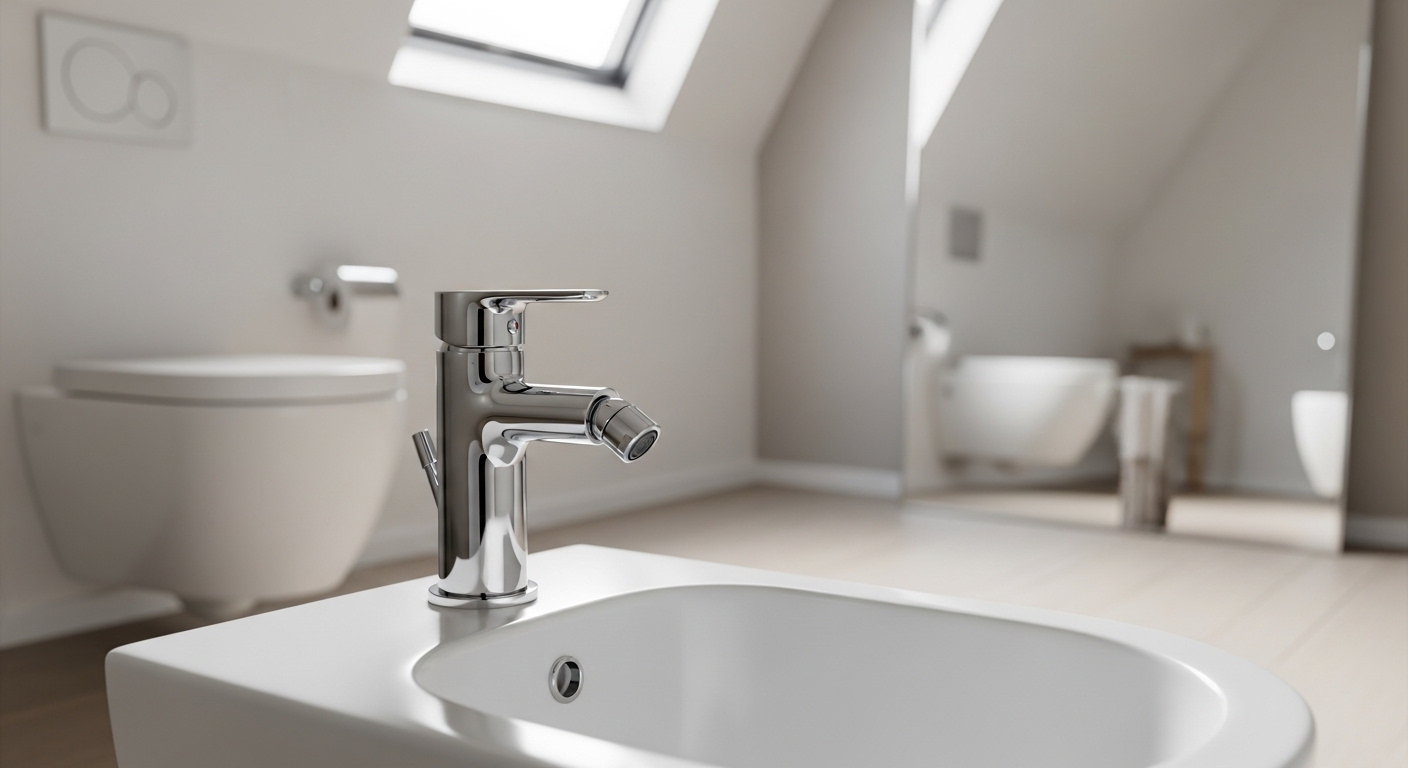
If you’ve been typing “bidet tap near me” into Google, you’re probably standing in a half-finished bathroom, holding a tape measure, wondering whether the fixture you saw at the local store will actually fit your bidet. You’re in the right place. A bidet tap (also called a bidet mixer or bidet faucet) is a precision plumbing fixture, and choosing the wrong spout reach, hole configuration, or finish is a frustrating, avoidable mistake. Below, we’ll walk through exactly what a bidet tap is, the realistic options for buying one locally versus online, how the types compare side by side, and the spec checklist the pros use before they install anything.
At iViga, we manufacture and ship bathroom and kitchen fixtures every day, so we’ll keep this practical and free of fluff. By the end, you’ll know whether to drive to a showroom or click “add to cart” — and you’ll know which questions to ask either way.
Searching for a “Bidet Tap Near Me”? Start With What You Actually Need
The phrase “bidet tap near me” hides three different shoppers. The first needs a replacement for a leaking or corroded mixer on an existing standalone bidet. The second is installing a brand-new bidet during a bathroom refresh. The third actually wants a bidet sprayer or hand-held bidet attachment and is using “tap” loosely. These three buyers need different products, so the first step is naming your project precisely. Get that wrong and even the closest store won’t have the right part.
Proximity matters less than fit. A bidet tap two miles away that has the wrong spout height is worse than the correct mixer that arrives in two days. Still, local availability has real advantages — instant pickup, no shipping wait, and the ability to feel the handle action and inspect the finish in person. We’ll weigh both paths fairly throughout this guide.
What Is a Bidet Tap, Exactly?
A bidet tap is the valve and spout assembly that delivers and mixes hot and cold water on a bidet fixture. Unlike a basin faucet, a true bidet mixer is engineered to direct water upward or toward the center of the bowl for hygienic rinsing, and most include a pop-up waste linkage so the bowl can hold water. The body is typically solid brass, the cartridge is usually ceramic disc, and the aerator may be designed for a softer, splash-controlled stream rather than the aerated foam you’d want at a kitchen sink.
Bidet Mixer Taps vs. Bidet Sprayers
The most common confusion is between a deck-mounted bidet mixer tap and a bidet sprayer (sometimes called a shattaf or hand-held bidet). A mixer tap is permanently mounted to a ceramic bidet fixture, just like a basin faucet sits on a sink. A bidet sprayer is a trigger-operated handheld wand connected to a T-valve at the toilet supply — it requires no separate bidet fixture at all. If your bathroom has a dedicated ceramic bidet, you need a mixer tap. If you want bidet functionality next to an existing toilet, a sprayer or attachment is the cheaper, faster route.
Mono vs. Three-Hole Bidet Taps
Bidet fixtures come pre-drilled with either one hole or three holes, and your tap must match. A monobloc (single-hole) bidet tap uses one lever or two compact handles on a single base. A three-hole bidet set spreads two handles and a central spout across the back ledge of the bidet, mirroring the classic widespread look. You cannot fit a single-hole mixer into a three-hole bidet without an escutcheon plate, and you can’t squeeze a three-hole set into a single drilling. Count and measure your holes before you shop — this is the single most returned spec.
Where to Buy a Bidet Tap Near You
Once you know your configuration, the “near me” question becomes a real decision. Here are the three channels most American shoppers use, with honest pros and cons for each.
Local Plumbing and Bath Showrooms
Dedicated plumbing showrooms carry the widest range of genuine bidet mixers and employ staff who actually understand pop-up waste linkages and cartridge types. You can test handle torque, judge the real-world color of a finish under store lighting, and often walk out with the matching waste assembly. The trade-offs are price (showroom margins are higher) and inventory — bidet taps are a slower-moving category in the U.S., so many showrooms stock only a few SKUs or order them in anyway, which erases the speed advantage.
Big-Box Home Improvement Stores
National home-improvement chains are the most common result for a “bidet tap near me” search, but be cautious: their bidet selection is thin, and “bidet” shelf tags often point to electronic toilet seats rather than mixer taps for ceramic bidets. You may find a generic two-handle bidet faucet, but matching finishes to the rest of your suite can be hard. If you go this route, verify the spout reach and the included pop-up waste before checkout.
Online Specialists Like iViga
Buying a bidet tap online from a fixture specialist gives you the broadest selection of styles, finishes, and hole configurations, usually at a better price than a showroom. The obvious downside is that you can’t touch it first — which is exactly why a detailed spec sheet, clear finish photos, and a solid warranty matter so much. Reputable specialists publish flow rate, cartridge type, material, spout reach, and certification. Before ordering, it’s worth reading our short primer on the 5 questions to ask before you buy a faucet, because every one of them applies to bidet mixers too.
Comparing Bidet Tap Types Side by Side
Here’s a quick comparison of the main bidet tap formats so you can match the right one to your fixture and budget.
| Type | Fixture Required | Typical Install Time | Best For | Relative Cost |
|---|---|---|---|---|
| Single-hole monobloc mixer | 1-hole ceramic bidet | 30–60 min | Modern, compact bathrooms | $$ |
| Three-hole widespread set | 3-hole ceramic bidet | 60–90 min | Traditional or large suites | $$$ |
| Vertical spray bidet mixer | Bidet with central drilling | 45–75 min | Hygiene-focused upgrades | $$$ |
| Handheld bidet sprayer | None (mounts at toilet) | 15–30 min | Renters, quick upgrades | $ |
| Wall-mounted bidet tap | In-wall valve + bidet | Plumber recommended | Minimalist new builds | $$$$ |
Notice that the handheld sprayer is the only option that needs no ceramic fixture and no professional plumber — it’s why it dominates quick, budget-friendly upgrades. Everything else assumes you already have, or are installing, a dedicated bidet.
Choosing the Right Finish for Your Bidet Tap
Finish is where a bidet tap goes from functional to cohesive. Because a bidet sits beside the toilet and basin, the smart move is to match the finish across the whole suite. The most popular finishes in 2026 are polished chrome, brushed nickel, matte black, and brushed gold — each with different cleaning and durability characteristics.
Matte black continues to dominate contemporary bathrooms, and if that’s your direction, our deep dive on the matte black finish in 2026 covers how it wears and which lighting flatters it. Whatever finish you pick, protecting it is what keeps a bidet tap looking new for years — splashes, cleaning chemicals, and hard-water scale are the enemies. Our guide on how to protect faucet finishes applies directly to bidet mixers, which see frequent contact and frequent cleaning.
A quick note on quality: a good finish is electroplated over solid brass and tested for adhesion and corrosion. A cheap finish is sprayed over zinc alloy and will flake within a year or two near constant moisture. When you can’t inspect a tap in person, the manufacturer’s finish testing and warranty are your proxy for quality.
What to Look For Before You Buy a Bidet Tap
Whether you buy locally or online, run through this checklist before committing. It catches the mistakes that lead to returns and re-installs.
- Hole configuration: Confirm single-hole vs. three-hole and the exact center-to-center spacing on three-hole fixtures.
- Spout reach and height: The stream must land in the center of the bowl, not the front rim or the back.
- Pop-up waste included: Many bidet mixers ship with a pop-up linkage; verify yours does, or order it separately.
- Cartridge type: Ceramic disc cartridges outlast rubber washers and resist drips far longer.
- Body material: Solid brass over zinc alloy for longevity, especially in a wet, high-use fixture.
- Flow rate: A WaterSense-aligned flow keeps water use sensible without sacrificing rinse performance.
- Supply line compatibility: Check whether your tap uses standard 3/8″ flexible connectors and whether they’re included.
- Lead-safe certification: Confirm the tap meets low-lead drinking-water standards for wetted surfaces.
That last point deserves emphasis. Because a bidet tap delivers water you contact directly, lead-safe construction is not optional — look for compliance with NSF/ANSI 61 and 372. If you’re ever unsure about an older or imported fixture, our article on how to remove lead from faucets safely explains the standards and the safe path forward.
How to Install a Bidet Tap (Standard Single-Hole Mixer)
Most single-hole bidet mixers are a comfortable DIY project for anyone who can shut off a water supply and tighten a connector. Three-hole sets and wall-mounted valves are best left to a licensed plumber. Here’s the typical sequence for a deck-mounted mixer.
- Turn off the supply at the bidet’s hot and cold shutoff valves and open the old tap to relieve pressure.
- Disconnect the supply lines and the old pop-up waste linkage, then lift the old mixer out from above.
- Clean the deck of old plumber’s putty, silicone, and mineral scale so the new base seats flat.
- Fit the new mixer through the hole with its gasket, then tighten the mounting nut from underneath.
- Connect the supply lines hot-to-hot and cold-to-cold using fresh flexible connectors; don’t over-tighten.
- Install the pop-up waste linkage and test that it seals and releases smoothly.
- Restore water and check for leaks at every joint, running both temperatures for a full minute.
If your new tap drips at the connection right after installation, don’t panic — it’s usually a gasket or torque issue, not a defect. Our walkthrough on why your faucet drips after replacement covers the same fixes that apply to bidet mixers.
Care, Maintenance, and Warranty
A quality bidet tap should last a decade or more with minimal care. Wipe it dry after cleaning to prevent water spots, avoid abrasive pads and acidic cleaners that strip plating, and descale the aerator periodically if you have hard water. If the handle starts to feel gritty or the flow drips, the ceramic cartridge is the usual culprit and is inexpensive to replace.
Warranty is your safety net, especially when buying online. iViga backs its fixtures with a finish-and-function warranty, and every tap is engineered to recognized plumbing standards and tested for finish durability and corrosion resistance before it ships. We test plating adhesion, cartridge cycle life, and flow consistency — the same kinds of checks we describe in our manufacturer-grade guide on how to test faucet finish durability. When you compare a “near me” option against an online tap, weigh the warranty and certifications as heavily as the sticker price.
Author Note & About iViga
This guide was written by the iViga product content team, drawing on input from our in-house fixture engineers and installation specialists. iViga designs and manufactures faucets, shower systems, sinks, and bathroom accessories, and we ship directly to homeowners and contractors across the United States. Our recommendations come from hands-on bench testing and field feedback, not guesswork — and we publish specs openly so you can compare us honestly against any local option. If you’re choosing a bidet tap and still have questions, our support team can confirm fit, finish, and waste compatibility before you order.
FAQ
Is it better to buy a bidet tap near me or order one online?
Both work, but they win on different fronts. Buying locally lets you inspect the finish and handle feel and skip shipping, while ordering online from a specialist like iViga gives you far more styles, finishes, and configurations — often at a lower price with a stronger published warranty. If your local store stocks the exact configuration and finish you need, buy it; if not, a specialist online almost always offers a better match.
What’s the difference between a bidet tap and a bidet sprayer?
A bidet tap is a permanently mounted mixer faucet for a dedicated ceramic bidet fixture, with hot/cold mixing and usually a pop-up waste. A bidet sprayer is a handheld wand that attaches to your toilet’s water supply and needs no separate fixture. If you have a ceramic bidet, you need a tap; if you want bidet function beside an existing toilet, a sprayer is faster and cheaper.
How do I know if I need a single-hole or three-hole bidet tap?
Look at your bidet fixture’s back ledge and count the pre-drilled holes. One hole means you need a monobloc (single-hole) mixer; three holes means a widespread three-hole set. Also measure the center-to-center spacing on three-hole fixtures, since standard spreads vary. Matching the drilling is the most important compatibility check you’ll make.
Are bidet taps safe for water you contact directly?
Quality bidet taps are built with low-lead, solid-brass wetted surfaces and should meet NSF/ANSI 61 and 372 standards. Avoid unbranded or very old fixtures with unknown material content. If you’re reusing an existing tap or unsure of its origin, review the lead-safety standards and testing before relying on it for direct-contact rinsing.
Can I install a bidet tap myself?
A standard single-hole deck-mounted mixer is a reasonable DIY job if you can shut off the water and tighten connectors — budget 30 to 60 minutes. Three-hole sets and wall-mounted bidet valves involve more plumbing and are best handled by a licensed plumber. Always test every joint for leaks for a full minute after restoring the supply.
What finish should I choose for a bidet tap?
Match it to the rest of your bathroom suite — basin faucet, shower trim, and accessories. Polished chrome and brushed nickel are the easiest to clean and most timeless; matte black and brushed gold deliver a stronger contemporary statement. Whatever you choose, pick a tap with an electroplated solid-brass body and protect the finish from abrasive cleaners to keep it looking new.