 iVIGA Faucet Online Shop

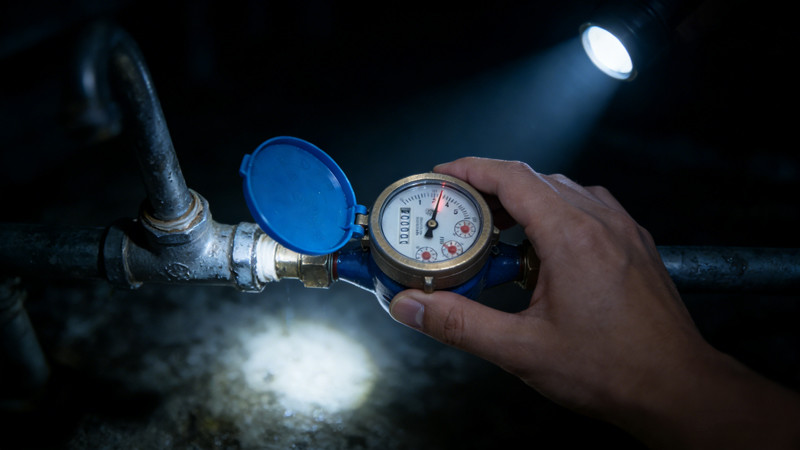
Hidden water waste from faucets is one of the most common yet overlooked problems in homes and commercial buildings. A faucet doesn’t need to drip loudly to waste water. Slow leaks, internal failures, and pressure issues can silently waste hundreds or even thousands of gallons per year—driving up utility bills and increasing wear on plumbing systems. Detecting these hidden problems early saves money, conserves water, and prevents long-term damage.
This guide explains where faucet water waste hides, how to identify the warning signs, and what steps you can take to stop it.
Why Hidden Faucet Water Waste Matters
A faucet leaking at one drop per second can waste over 3,000 gallons of water per year. Even worse, internal leaks may not show visible dripping at all. Instead, water escapes inside the faucet body, supply lines, or wall cavity, often going unnoticed until a bill spikes or damage appears.
Hidden waste contributes to:
- Higher water and energy costs
- Mold and mildew growth
- Cabinet and wall damage
- Shortened faucet lifespan
- Increased environmental impact
Understanding how to detect it early is essential.
Common Places Where Faucet Water Waste Hides
Hidden water waste usually occurs in less-visible areas of the plumbing system.
Inside the Faucet Cartridge
Worn ceramic cartridges or seals can allow water to bypass shutoff points, creating internal leaks even when the faucet appears fully closed.
Under the Sink Connections
Loose supply line fittings, deteriorated washers, or micro-leaks at shut-off valves can slowly release water into cabinets or onto subfloors.
Behind Walls or Backsplashes
Wall-mounted or backsplash faucets may leak behind finished surfaces, where moisture is absorbed before becoming visible.
High-Pressure Stress Points
Excessive water pressure forces water past seals, causing constant low-level leakage throughout the system.
Signs You May Have Hidden Faucet Water Waste
Even without visible dripping, your home often provides warning signals.
Unexplained Increases in Water Bills
A sudden or gradual rise in water usage without changes in habits is one of the strongest indicators of hidden waste.
Damp or Musty Smells
Persistent moisture under sinks or behind cabinets often points to slow leaks.
Stains or Warping
Discoloration, bubbling paint, or warped wood near sinks may signal hidden water seepage.
Faucet Noise
Whistling, humming, or vibration when the faucet is off can indicate internal leakage or pressure imbalance.
Simple Tests to Detect Hidden Faucet Water Waste
1. The Water Meter Test
Turn off all water fixtures in your home. Check your water meter and note the reading. Wait 30–60 minutes without using water, then check again. If the meter moves, water is leaking somewhere.
2. Tissue or Paper Towel Test
Wrap dry tissue around faucet bases, supply connections, and shut-off valves. After several hours, check for moisture.
3. Food Coloring Test
Add a few drops of food coloring near the faucet spout or base. If color appears in unintended areas, water is escaping internally.
Check Faucet Components for Hidden Leaks
Inspect the Cartridge
Remove the handle and inspect the cartridge for cracks, mineral buildup, or worn seals. Even minor damage can allow constant seepage.
Examine Aerators and Inlet Screens
Clogged aerators increase pressure inside the faucet, forcing water through weak points.
Check Shut-Off Valves
Valves that don’t fully close may leak internally, allowing water to flow continuously into the faucet.
Water Pressure: A Silent Contributor
High water pressure is a leading cause of hidden faucet waste. Most homes should operate between 40–60 PSI. Pressure above this range accelerates seal failure and increases leak risk.
To check pressure:
- Attach a pressure gauge to a hose bib
- Test during peak and low-use hours
If pressure exceeds safe levels, install or adjust a pressure-reducing valve (PRV).
Smart Technology for Leak Detection
Modern tools make detecting hidden water waste easier than ever.
Smart Water Meters
These devices track usage patterns and alert homeowners to unusual consumption.
Leak Detection Sensors
Placed under sinks, these sensors trigger alarms when moisture is detected.
Flow Monitoring Systems
Whole-house systems analyze water flow to detect micro-leaks in faucets and fixtures.
Preventing Future Faucet Water Waste
Detection is only half the solution—prevention is key.
- Replace cartridges every few years in high-use faucets
- Clean aerators regularly to reduce pressure stress
- Tighten fittings during routine maintenance
- Use quality faucets with durable ceramic valves
- Address minor leaks immediately
Routine inspection can prevent costly surprises.
When to Call a Professional
If you suspect hidden leaks inside walls, notice mold growth, or see consistent meter movement despite visible checks, a licensed plumber can perform advanced diagnostics. Professionals use pressure testing, acoustic detection, and thermal imaging to locate hidden water waste safely.
Conclusion
Hidden faucet water waste quietly drains your wallet and strains your plumbing system. By understanding where leaks hide, recognizing early warning signs, and performing simple detection tests, you can identify problems before they escalate. Combining regular maintenance with smart detection tools ensures your faucets operate efficiently, protects your home, and conserves water for the long term.
A silent leak today can become an expensive repair tomorrow—detecting it early makes all the difference.